How Prefab Homes Are Shaping the Future of Urban Living
As cities continue to grow fast, architects and homeowners are rethinking how to build in densely populated areas. Modular and prefab homes offer a promising solution by combining speed of construction, flexibility, and efficient use of space, which are essential in urban settings. Take, for example, insights from https://www.jolie.de/leben/flexibles-wohnen-mit-fertighaus-konzept-217407.html, which show how these modern prefab living concepts adapt to changing family sizes, work-from-home needs, or aging in place. With these innovations, prefab homes aren’t just temporary fixes; they’re quickly becoming central to how cities plan sustainable, livable housing for the future.
Sustainability and Smart Resource Use
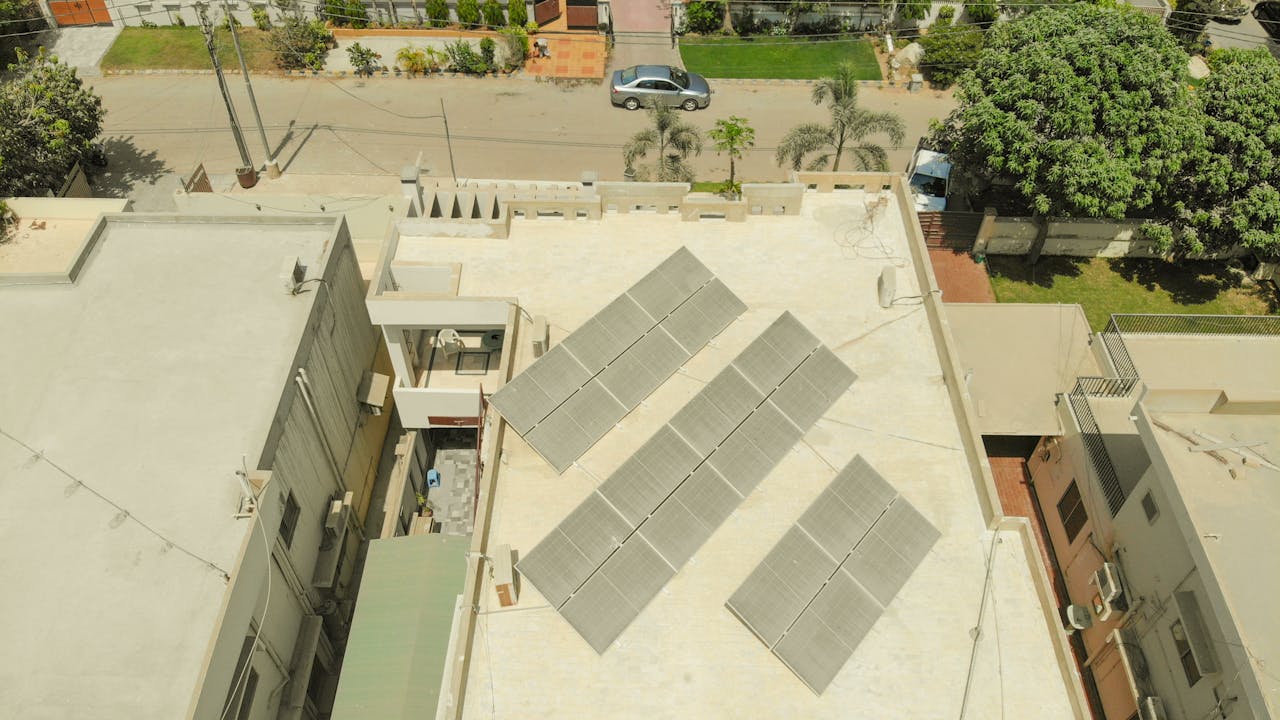 Urban living often comes with concerns about environmental impact, and prefab homes are helping address those worries. These homes typically produce less construction waste because materials are carefully measured and reused during factory production. Many designs also incorporate energy-efficient systems like solar panels, insulated walls, and water-saving fixtures. For city dwellers conscious about sustainability, this blend of eco-friendly construction and modern design is highly attractive. Over time, it not only reduces carbon footprints but also lowers utility costs, making prefab housing both green and practical.
Speed and Efficiency in Construction
Among the top advantages of prefab homes is faster construction compared to conventional construction. Since large portions of the home are manufactured off-site and then assembled on location, build times are shorter. In bustling cities where space and time are precious, this efficiency is a major selling point. Faster builds mean fewer disruptions in busy neighborhoods and quicker access to much-needed housing. The speed factor also makes prefab homes especially appealing to developers trying to meet housing demands without cutting corners on quality.
Adapting to Modern Lifestyles
 Cities are hubs of innovation and fast-paced living, and prefab homes reflect that adaptability. One can customize designs to fit small urban lots, stacked for multi-family living, or expanded as needs grow. Open layouts, integrated smart technology, and creative use of space make them perfectly suited for modern lifestyles. Unlike the cookie-cutter image many people once had, today’s prefab homes are versatile, chic, and ready to meet the needs of city living in 2025 and beyond.
Affordability and Accessibility
With urban property prices constantly on the rise, affordability is one of the strongest arguments for prefab housing. Streamlined manufacturing reduces labor costs, and faster construction means fewer delays that drive up expenses. Prefab homes can often be more cost-effective than traditional builds, making them accessible to a broader range of buyers.
Prefab homes are no longer just a niche concept; they are shaping the future of urban living in practical and exciting ways. Faster construction, sustainable practices, affordability, and modern adaptability all contribute to their growing popularity in cities. As demand for housing continues to climb, prefab solutions will play a central role in meeting the needs of urban populations. For many, these homes represent more than just a place to live; they symbolize a smarter, greener, and more accessible future for city life.…