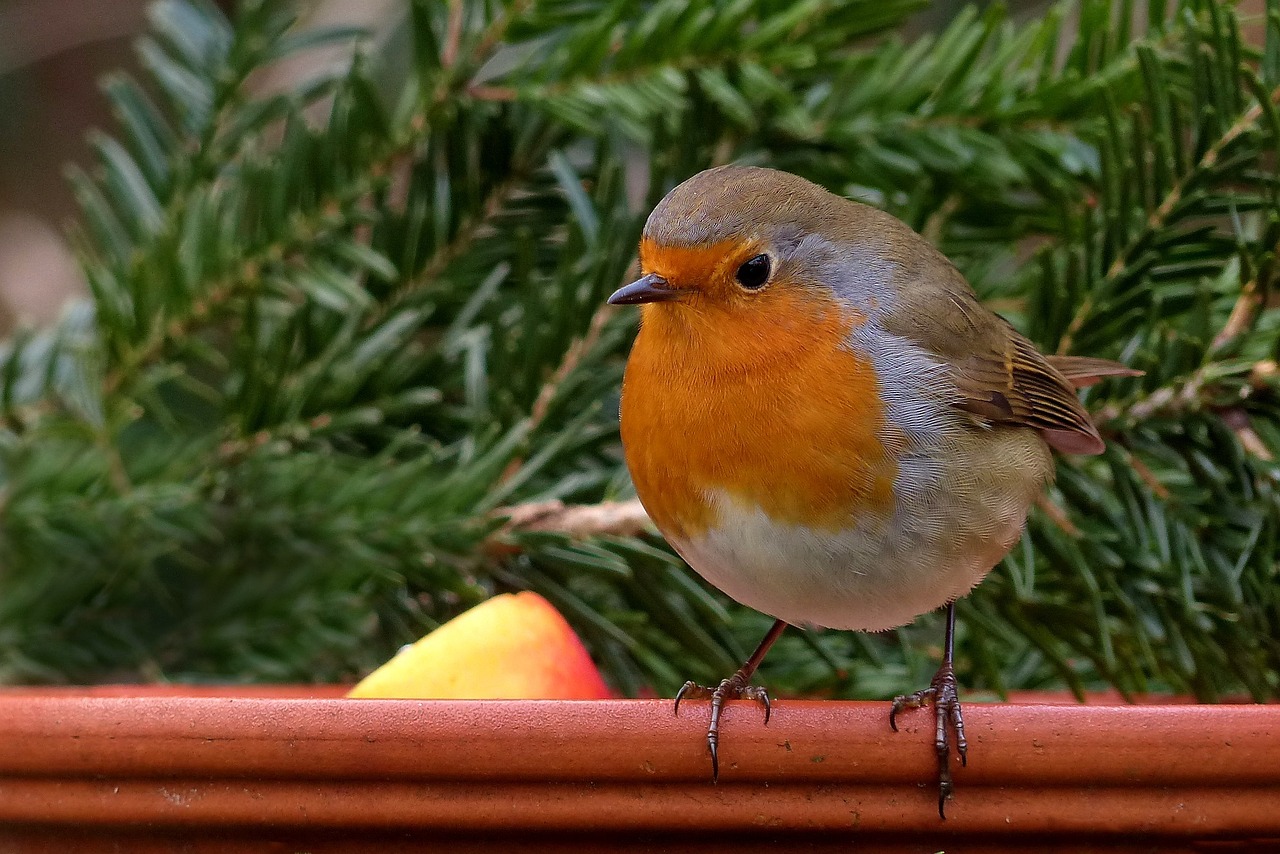
Gardens attract birds for a good reason. They offer food, water, and shelter. But what’s a haven for birds can quickly turn into a mess for gardeners. Birds dig up seeds, snack on fruit, and scatter soil. It’s frustrating, especially when your hard work disappears overnight. Still, the solution isn’t poison or sticky gels. There are safer, smarter ways to keep birds at bay without harming them like using bird netting to protect vulnerable plants.
Know What Attracts Birds
Before you try to deter birds, it helps to know why they’re showing up. Some come for seeds you just planted. Others are after ripe produce or bugs hiding in the soil. Reflective materials, bright colors, or shallow water can also draw their attention. Once you know what attracts them, you can make simple adjustments to remove the appeal. That makes your approach more targeted and effective.
Protect Plants With Netting
Physical barriers are one of the most reliable options. Garden netting works well over fruit trees, bushes, and vegetable beds. Choose a net that is fine enough to prevent birds from getting tangled or stuck. Make sure it’s tightly secured so birds don’t slip underneath. It’s important to check your setup regularly for any damage. When used correctly, netting causes no harm and offers solid protection.
Use Sound and Movement
Birds dislike sudden noise and motion. Simple devices like wind chimes, aluminum pie pans, or even plastic grocery bags tied to branches can startle them. You can also hang old CDs to reflect light and create flashes that birds avoid. Move these objects around every few days so birds don’t get used to them. This approach isn’t permanent, but it works well during critical times like sprouting or harvest.
Decoy Predators Can Help
Fake owls, snakes, or hawks can act as scare tactics. Place them where birds usually land or feed. To make them more effective, move them from time to time and change their positions. If they remain in one spot too long, birds will quickly learn they’re fake. Some decoys have motion sensors or reflective eyes, which offer more realism. These tools provide a simple, non-invasive method to deter visits.
Grow Plants Birds Don’t Like
Some plants naturally repel birds due to scent, texture, or taste. Strong-smelling herbs like lavender, rosemary, or mint may reduce bird interest in nearby crops. Thorny or dense plants placed as borders can also act as a barrier. Including these as part of your garden design adds variety and offers a unique strategy that works quietly in the background.
Limit Bird Access to Food and Water
If your garden includes bird feeders or birdbaths, consider moving them far away from vulnerable plants. Birds will visit areas where they can find easy food and water. By placing these features on the other side of your yard, you encourage birds to gather elsewhere. Also, clean up fallen fruit and discarded seeds from the ground, which can attract flocks. Making these simple changes keeps birds from associating your garden with free snacks.
In Conclusion
Birds are smart and can adapt quickly. A one-time fix usually isn’t enough. For the utmost success, combine methods and rotate them regularly. Mix visuals, sounds, and physical barriers to keep birds guessing. The goal isn’t to scare them away completely but to train them to avoid certain areas. Be patient. In time, birds will learn your garden isn’t worth the effort, and they’ll seek food elsewhere.